A Thousand Flags: Rock Fandom's Beautiful, Chaotic Split Into Micro-Tribes
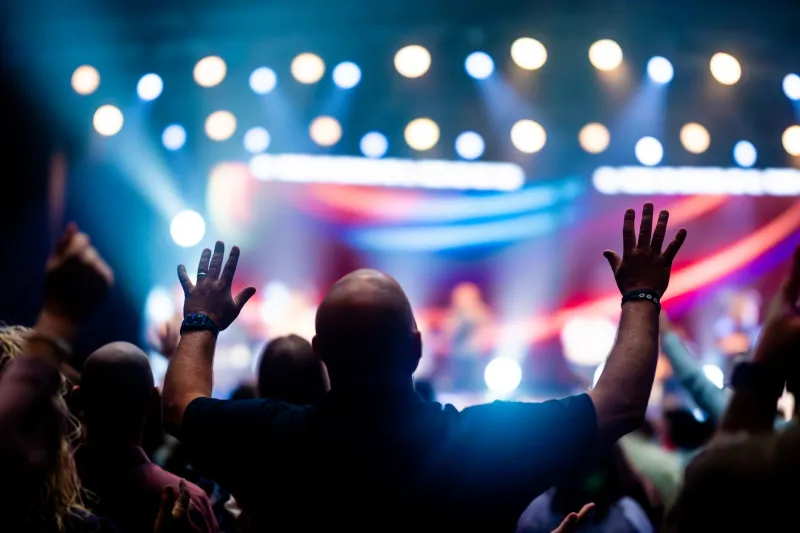
There was a time — not that long ago, really — when being a rock fan came with a built-in social contract. You knew the big albums. You had opinions about classic radio staples. You showed up to certain shows. The genre had weight, a shared mythology, and gatekeepers who were more than happy to tell you whether you'd earned your place in the room.
That era is gone. And depending on who you ask, what replaced it is either the most exciting thing to happen to rock in decades — or the thing that quietly killed its cultural soul.
From Monoculture to Mosaic
The collapse of the old music discovery pipeline — radio, MTV, Rolling Stone covers, Tower Records — didn't just change how people found rock music. It changed what rock music even is to the people who love it.
Spotify's algorithm doesn't care whether your taste aligns with some canonical checklist. TikTok doesn't ask for credentials before it feeds you a clip of a 19-year-old shredding in her bedroom. YouTube rabbit holes lead you somewhere completely different than they lead your neighbor. The result is a fandom that has essentially detonated into hundreds of self-sustaining micro-communities, each with its own vocabulary, its own heroes, and its own very firm idea of what rock is supposed to sound like.
You've got the TikTok metalheads discovering Spiritbox and Knocked Loose through fifteen-second clips. You've got the vinyl obsessives who treat a clean pressing of a 1970s hard rock record like a religious artifact. There are Spotify playlist curators building entire aesthetic identities around "sad indie rock" or "southwestern gothic." Reddit communities dedicated to hyper-specific subgenres that most casual listeners have never heard of are thriving. Discord servers for niche bands have more daily engagement than some mid-sized music publications.
These aren't fringe behaviors. This is rock fandom now.
The Case for Fragmentation
Here's the argument for why this is actually a good thing: the old gatekeeping system was never neutral. It had biases baked into it — toward certain sounds, certain looks, certain demographics. The classic rock canon, for all its genuine greatness, was shaped by a pretty narrow slice of tastemakers. Women, people of color, and fans of anything that veered too far from the commercial mainstream were often made to feel like outsiders.
The fracturing of fandom has, in a real sense, made rock more democratic. You don't need a classic rock radio station to validate your taste anymore. You don't need a magazine to tell you a band is worth caring about. The barriers to entry have dropped, and the genre has gotten genuinely more diverse — in its artists, its sounds, and the people who consider themselves fans.
Talk to a twenty-two-year-old who found her way into rock through a Phoebe Bridgers playlist and ended up deep in the Midwest emo rabbit hole, and she'll tell you rock saved her life. She doesn't care that some dude on a forum thinks her taste isn't "real" rock. She found her tribe. That matters.
The Case Against
But there's a counterargument, and it deserves to be taken seriously.
Rock's cultural power — its ability to feel like a genuine movement, to soundtrack a generation, to mean something collectively — was always tied to a degree of shared experience. When millions of people were all listening to the same thing at the same time, rock could function as a kind of common language. It could be genuinely countercultural because it had enough critical mass to push back against something.
When fandom splinters into a thousand micro-tribes, that unifying force dissipates. Nobody's talking about the same album. Nobody's having the same argument. The genre can't generate a cultural moment the way it used to, because there's no longer a single stage big enough for everyone to watch.
Look at the numbers: rock's share of overall streaming has declined steadily, even as rock music itself continues to be made at a remarkable volume. The genre isn't dying — it's diffusing. And diffusion, by definition, means less concentration of energy.
What the Tribes Are Actually Doing
What's interesting is that the micro-communities themselves are often extraordinarily passionate and cohesive — just in isolation from each other. A tight-knit online community built around a band with 50,000 monthly Spotify listeners can have more genuine cultural energy than a mainstream act with ten times the audience but no real community around them.
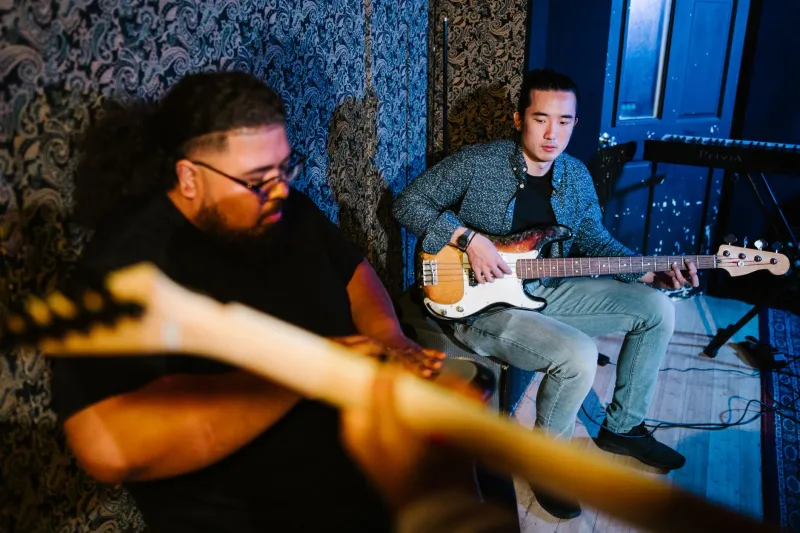
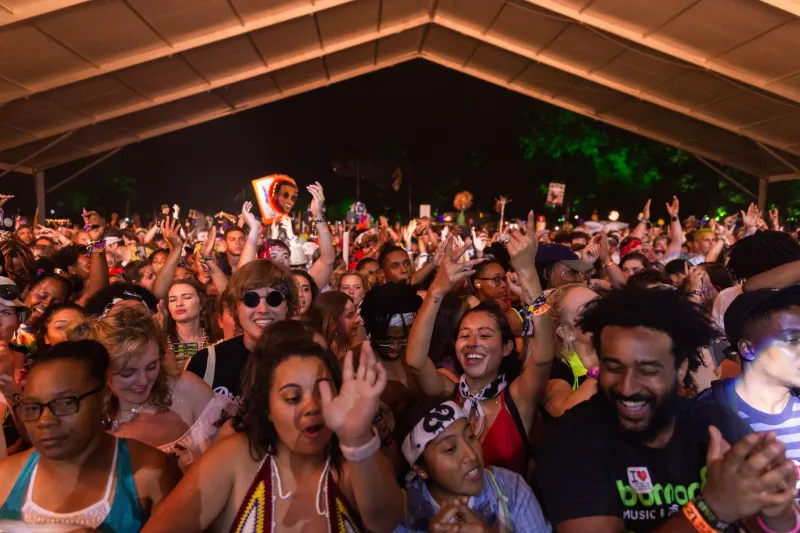
These smaller tribes are doing something that old-school rock fandom always claimed to value but rarely practiced: they're creating genuine connection. People are flying across the country for shows by bands most of their coworkers have never heard of. They're trading bootlegs, running fan sites, making zines. The behavior of rock fandom — the obsessive, participatory, identity-forming engagement — is alive and well. It's just distributed across hundreds of smaller nodes instead of concentrated in a few big ones.
A Genre That Contains Multitudes
Maybe the question isn't whether fragmentation is good or bad for rock — maybe it's whether we need rock to be one unified thing at all.
The genre has always contained contradictions. It's been simultaneously rebellious and commercially massive, underground and arena-filling, intimate and bombastic. Trying to hold all of that together under a single cultural banner was always a little artificial. The tribes that exist now aren't a betrayal of rock's identity. They might actually be a more honest expression of it.
What rock loses in centralized cultural clout, it may gain in resilience. A genre spread across a thousand communities is harder to kill than one dependent on a handful of gatekeepers. When the next trend threatens to push rock off the cultural map, there are now a thousand different communities ready to just keep going without asking anyone's permission.
The gatekeepers are gone. The flags are flying everywhere. And honestly? Rock might be just fine.